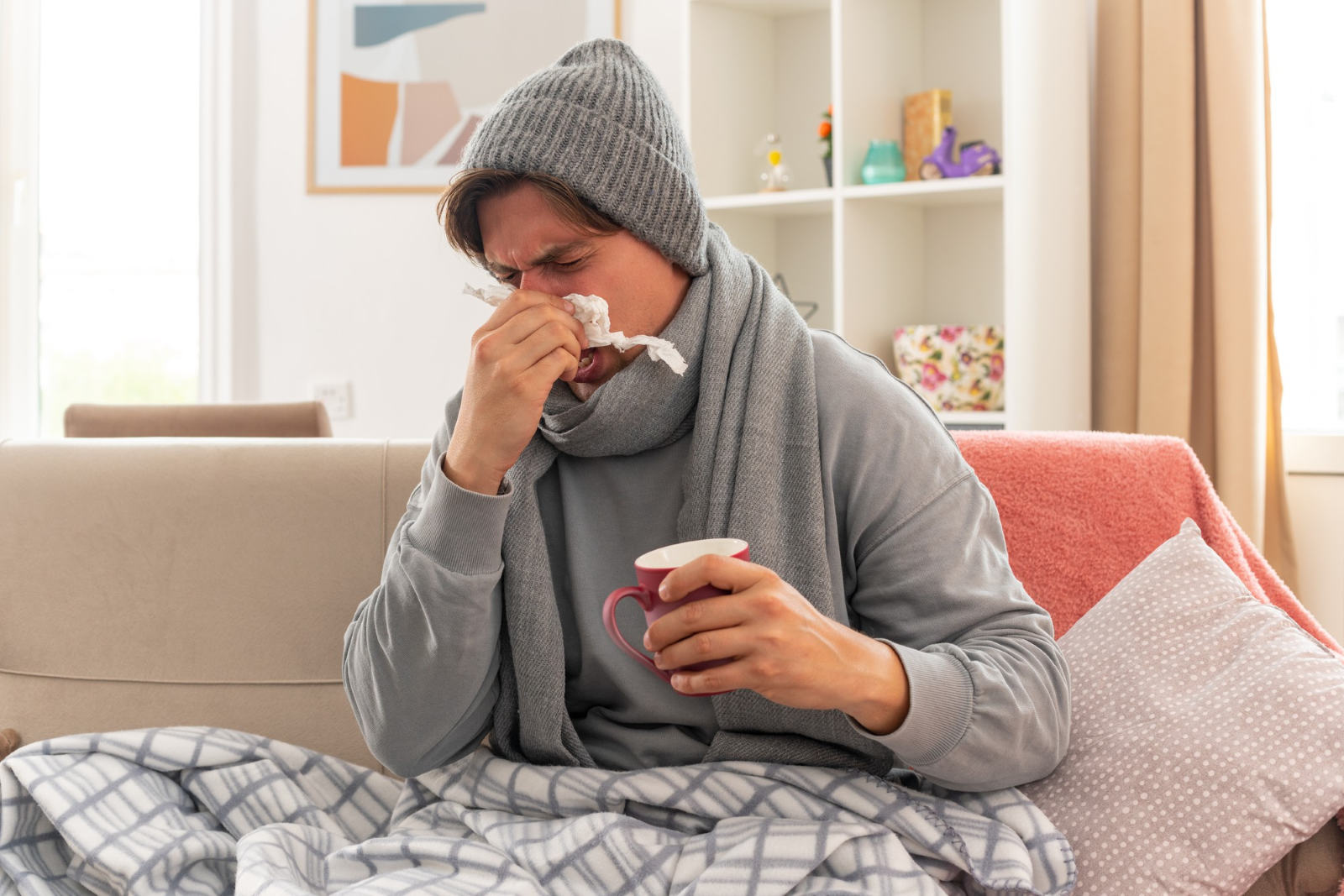
Catching a cold is a common health issue affecting millions around the world. Simple, year-round practices can help keep you comfortable and healthy, reducing the likelihood of getting sick. Following a few easy steps is key to preventing a cold. With these expert tips, you can boost your defenses and enjoy better health.
1. Nourish Your Body With a Robust Diet
A strong defense against a cold starts with a good diet. Eating foods rich in vitamins and minerals helps your immune system stay robust. Cold prevention is more than just staying warm—what you eat matters. Load your plate with Vitamin C-rich foods, like oranges, lemons, and grapefruits. These foods are known to boost immunity naturally.
Adding Indian spices such as turmeric and ginger to your meals can further help fight a cold. These spices have been used for ages to promote health. Turmeric contains curcumin, which has anti-inflammatory properties. Ginger can soothe and has additional benefits for the immune system.
Here are some easy meal ideas to help you maximize your vitamin intake and fend off a cold: – Start your day with a warm lemon and honey drink. – Add sliced oranges to your oatmeal or yogurt. – Make a spicy turmeric and ginger curry for lunch or dinner.
By focusing on these foods, you support your body’s natural defenses. A balanced, nutrient-rich diet can be a powerful tool in your efforts to avoid getting a cold.
2. Hygiene Practices: Protecting Yourself from Germs
Practicing good hygiene is crucial in the fight against the cold. Regular handwashing with soap and water is one of the best ways to stop the spread of germs.
Make sure to scrub your hands thoroughly for at least 20 seconds. A simple trick to ensure the right amount of time is to hum the “Happy Birthday” song twice while washing your hands.
You should also sanitize surfaces that are frequently touched. A simple, cost-effective solution is using a homemade vinegar and water spray. This mixture can help keep your home germ-free and reduce the risk of cold infections.
Sometimes, it may be necessary to hire outsourced cleaning services, especially in high-traffic areas. But often, keeping your environment clean is something you can manage effectively at home.
3. Exercise: Building Immunity Naturally
Physical activity is not just good for fitness. It also helps enhance your immune defenses against a cold. Exercise is a simple way to improve health, and it helps your body fight off illnesses.
Traditional Indian exercises like Yoga can be very effective. Breathing techniques and simple Yoga poses can support your health and help ward off a cold.
Even during the colder months, it is important to maintain regular physical activity. It doesn’t have to be complicated or intense.
Here are some tips to incorporate exercise into your daily routine: – Take a brisk 20-minute walk each morning. – Try a short Yoga routine that includes basic stretches and breathing exercises. – Skip the elevator, and use the stairs whenever you can.
By keeping your body active, you cultivate an environment less friendly to the germs that cause a cold.
4. Importance of Staying Hydrated
Drinking plenty of fluids is vital for your overall health and can help prevent a cold. Hydration plays a huge role in flushing toxins from your body, thus supporting all major functions.
It’s important to drink according to the climate and your activity level. Herbal teas and warm infusions, commonplace in India, are excellent ways to stay hydrated.
To track your water intake, aim for at least 8 glasses a day. Keeping a water bottle handy is a simple reminder to drink more.
5. Get Vaccinated: A Proactive Health Measure
Vaccinations offer strong protection against illnesses like the flu, which can sometimes lead to a cold. The flu shot is a wise choice for boosting your defenses against cold-related complications.
Many people have concerns or doubts about vaccines, often rooted in myths. In India, vaccines are widely available at clinics and hospitals. For guidance, always talk to a healthcare provider.
They can offer insights and clarity about which vaccines are best for you and dispel any unfounded fears you might have.
6. When to Seek Medical Attention
Not every cold needs medical intervention, but sometimes it’s necessary. Recognize the difference between a usual cold and when symptoms persist or worsen.
Typical signs of a cold are a runny nose, sneezing, sore throat, and cough. But if you have high fever, severe headache, or breathing trouble, these may signal something more serious.
Promptly consulting a doctor ensures that any significant health concern is addressed before it becomes worse. Your health is too important to ignore persistent symptoms.
Conclusion
In conclusion, the best way to stave off a cold is a combination of strong hygiene, good nutrition, regular exercise, staying hydrated, and getting vaccinated. Integrating these simple practices into your life promotes better health and helps you stay cold-free.
Call to Action
Take a moment to review your daily habits. Are there areas where you can improve? Feel free to share your personal tips and experiences in the comments. Together, we can all learn how to prevent a cold and stay healthy.